Cameroon’s Giant Unveiling the Country's Biggest Wood Plant
Cameroon’s Giant Unveiling the Country's Biggest Wood Plant
Blog Article
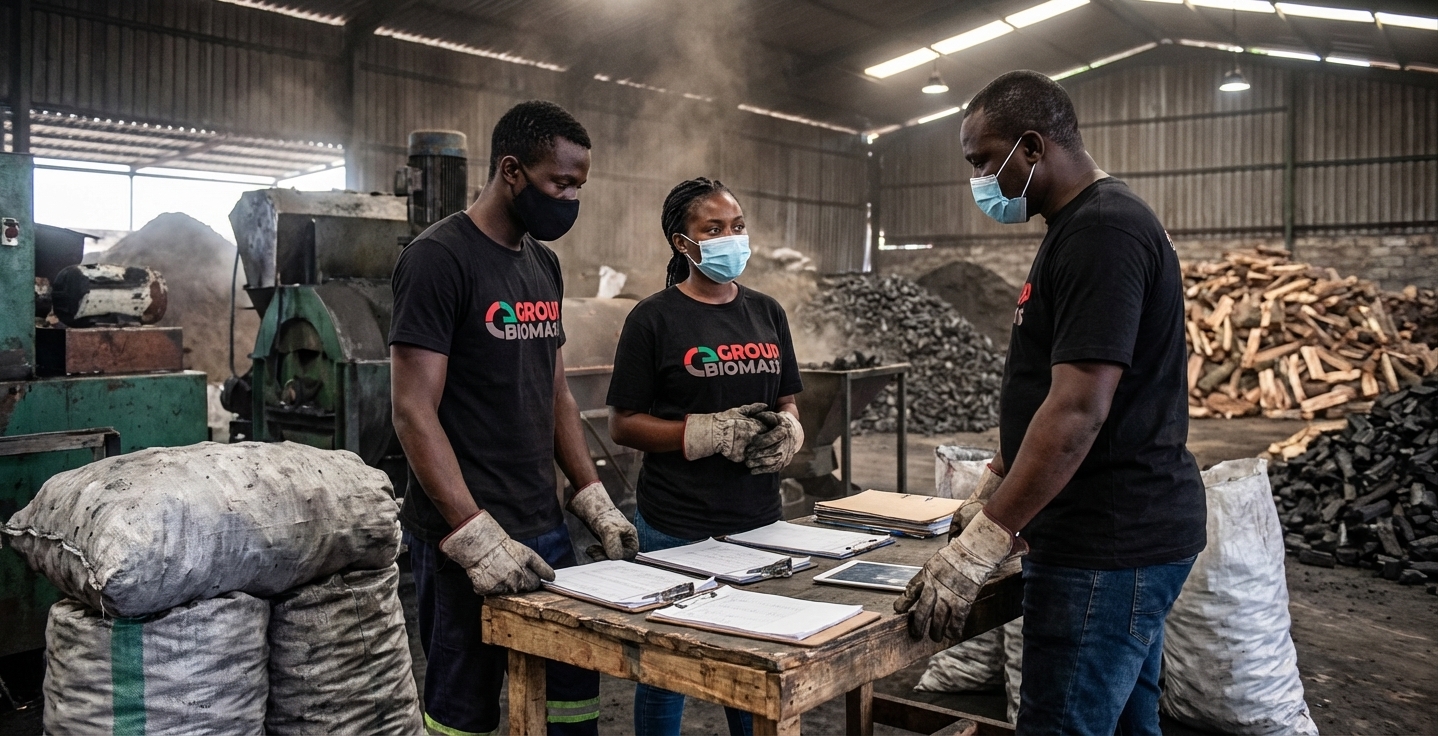
Deep within the country, a substantial facility stands as a symbol to the increasing demand for wood fuel . This industrial complex, reportedly the country’s premier charcoal factory , is attracting attention for both its size and the possible environmental impact . While offering livelihoods for nearby communities, the factory's processes are sparking concerns about ethical forest management and the overall preservation of the nation's natural resources.
Premium Lump Charcoal Export Boom: Cameroon’s Promising Star
Cameroon is seeing a remarkable surge in dense lump carbon shipments, positioning itself as a important player in the global market. Driven by growing demand from European US and Asian countries, the nation’s supply of this renewable fuel is rapidly increasing, offering promising prospects for regional communities and supporting the regional economy. The priority on sustainably sourced wood granulated carbon is demonstrating to be a essential element in securing foreign investors.
Inside Cameroon’s Hardwood Lump Charcoal Factory: Production & Sustainability
Stepping across a average Cameroon hardwood lump carbon factory shows a remarkably straightforward process of creation. Raw trees, often sourced from sustainable areas, are meticulously logged and carried to a kiln. Within this area, the timber is slowly heated with limited oxygen, a method that converts it into granular charcoal. Despite the traditional methods employed can be labor-intensive, growing contemporary factories are adopting improved processes and trying methods to boost their output and ecological sustainability. This encompasses investing in renewable energy and applying strict waste control strategies.
Cameroon's Charcoal Sector : A Major Contributor in International Shipments
Despite mounting environmental anxieties, Cameroon’s lump charcoal industry remains a surprising but vital contributor in the global sales landscape. The creation of charcoal from forest biomass is a essential foundation of income for thousands of the nation's communities, particularly in underserved zones. This practice generates a substantial quantity of wood charcoal shipped for foreign destinations , often providing heating needs in other regions, though this need creates difficulties relating to deforestation and sustainable forest management .
Le Contre Charbon de Bois Massif en Bois Dur et Les Briquettes Une Regard Camerounaise
En Cameroun, , la décision face à un charbon de bois en bloc et les briquettes soulève une interrogation . Habituellement, le charbon de bois dur est utilisé pour get more info son saveur typique et sa capacité à produire une température forte, appropriée afin de les cuissons locales . Néanmoins, , les combustibles, plus disponibles à obtenir et moins économiques , gagnent en attention, surtout chez les communautés urbaines .
Sustainable Charcoal Production : The Trajectory of Cameroon's Forest Business
The conventional method of charcoal manufacture in Cameroon presents a significant problem to its valuable hardwood timberlands. However, new sustainable practices offer a hopeful path forward. These include technologies like agricultural waste gasification and efficient earth kilns , which reduce deforestation, cut emissions, and provide livelihood opportunities for local populations . Embracing these sustainable alternatives is crucial to protecting Cameroon's natural heritage and ensuring the long-term future of its hardwood sector while tackling climate concerns.
Report this page